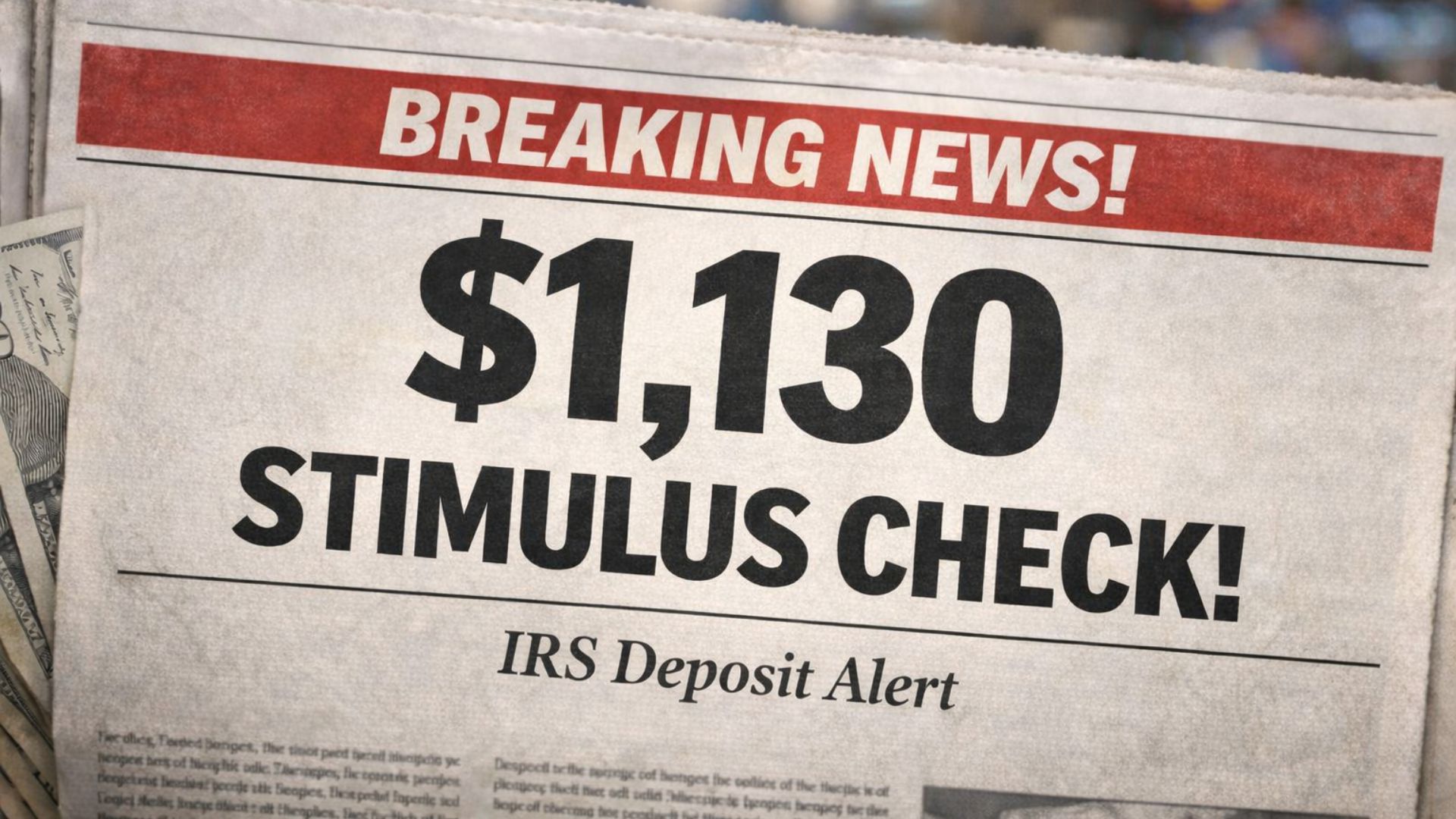
The possible $1,130 stimulus check in 2026 has become a major topic of discussion as many households look for financial stability during uncertain economic conditions. Rising prices and tight budgets have made people more alert to any news about government relief. While interest is high, it is important to understand that no stimulus payment becomes real unless it is officially approved through federal legislation.
What the $1,130 Stimulus Check Means
A $1,130 stimulus check refers to a potential one-time relief payment that would be funded by the federal government if a law is passed. These payments are never automatic for everyone. Each stimulus program includes specific rules that clearly define who qualifies and who does not. If approved, the program would be formally announced and managed by the Internal Revenue Service along with the U.S. Treasury.
How Eligibility Is Usually Determined
Eligibility for stimulus payments depends entirely on the language written into the law approving the program. In past stimulus efforts, income limits played a key role. Lower- and middle-income households generally qualified for full payments, while higher earners received reduced amounts or were excluded. Filing status and residency requirements also mattered. Accurate and timely tax returns are especially important because the IRS uses this information to decide who qualifies.
यह भी पढ़े:
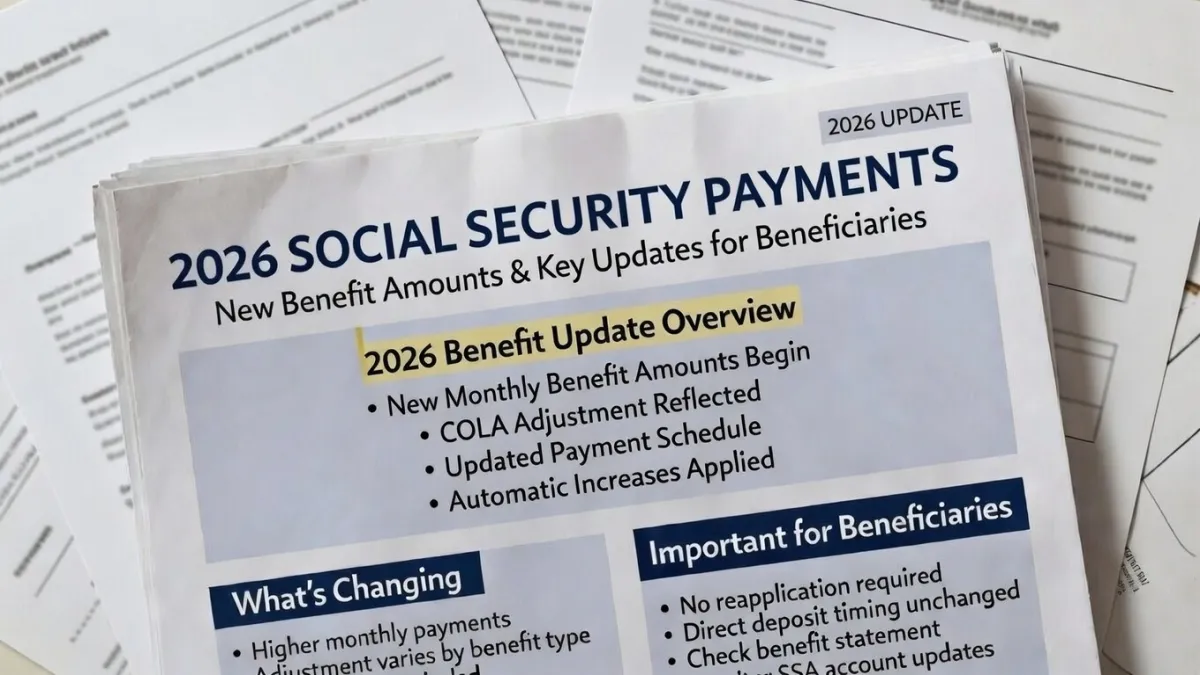
 2026 Social Security payments start with new benefit amounts and key information for beneficiaries
How Payments Are Normally Distributed
Stimulus payments are usually sent out in stages rather than all at once. People who have direct deposit information already on file with the IRS tend to receive payments first. This is because banking details are already verified, allowing faster processing. Those without direct deposit information may receive checks or prepaid cards, which usually take longer to arrive. The overall timeline often depends on IRS processing capacity and the workload during tax season.
How to Track Payments Safely
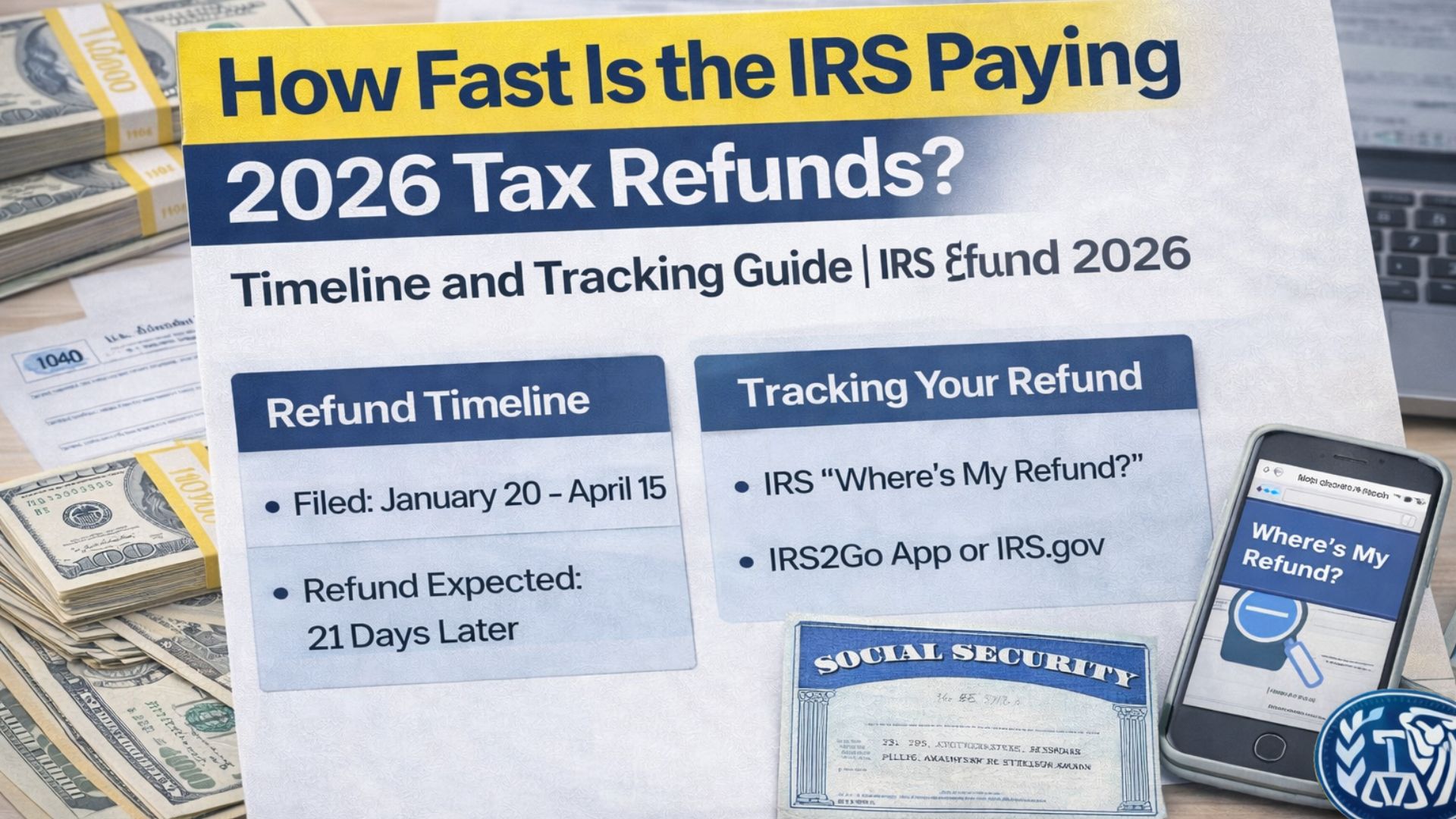
The safest way to confirm a stimulus payment is through official IRS tools and government announcements. Third-party websites that ask for personal or banking information should be avoided, as they are not part of the official process and may be scams. Delays can happen, but they are often caused by simple issues such as outdated bank accounts or address changes. Updating records through official IRS channels usually resolves these problems.
Staying Prepared and Informed
If a $1,130 stimulus check is approved, being prepared can help avoid delays. Filing accurate tax returns, keeping banking details current, and relying only on official government sources are the best steps to take. Staying informed also helps prevent misinformation and unrealistic financial expectations.

Current Status for 2026
As of now, no $1,130 stimulus payment has been officially approved. Any future payment depends entirely on federal legislation. Until a law is passed and formally announced, no payment is guaranteed.
Disclaimer: This article is for informational purposes only and does not provide financial, legal, or tax advice. As of now, no $1,130 stimulus check has been officially approved for 2026. Payment amounts, eligibility requirements, and timelines depend on federal legislation and official IRS guidance. Readers should rely on verified government sources for the most accurate and up-to-date information.