As the 2026 tax season begins, millions of Americans are preparing to file their federal income tax returns for the 2025 tax year. For many households, a tax refund plays an important role in managing finances. It can help cover rent, utility bills, school expenses, debt payments, or other essential costs. Understanding how the refund system works can make the filing process easier and help families plan with greater confidence.
When Tax Filing Opens in 2026
The federal tax filing system usually opens in the last week of February. The Internal Revenue Service is expected to begin accepting returns around that time in 2026. While taxpayers can prepare their returns earlier using tax software or professional services, the IRS cannot process them until the official opening date. Filing early once the system opens places your return closer to the front of the processing line.
Important Filing Deadline
For most taxpayers, the deadline to file federal tax returns in 2026 will be February 15. Although it is allowed to file closer to the deadline, waiting until the final weeks can sometimes cause delays due to high filing volume. Submitting your return earlier may help avoid heavy system traffic and gives you more time to correct any mistakes if needed.
यह भी पढ़े:
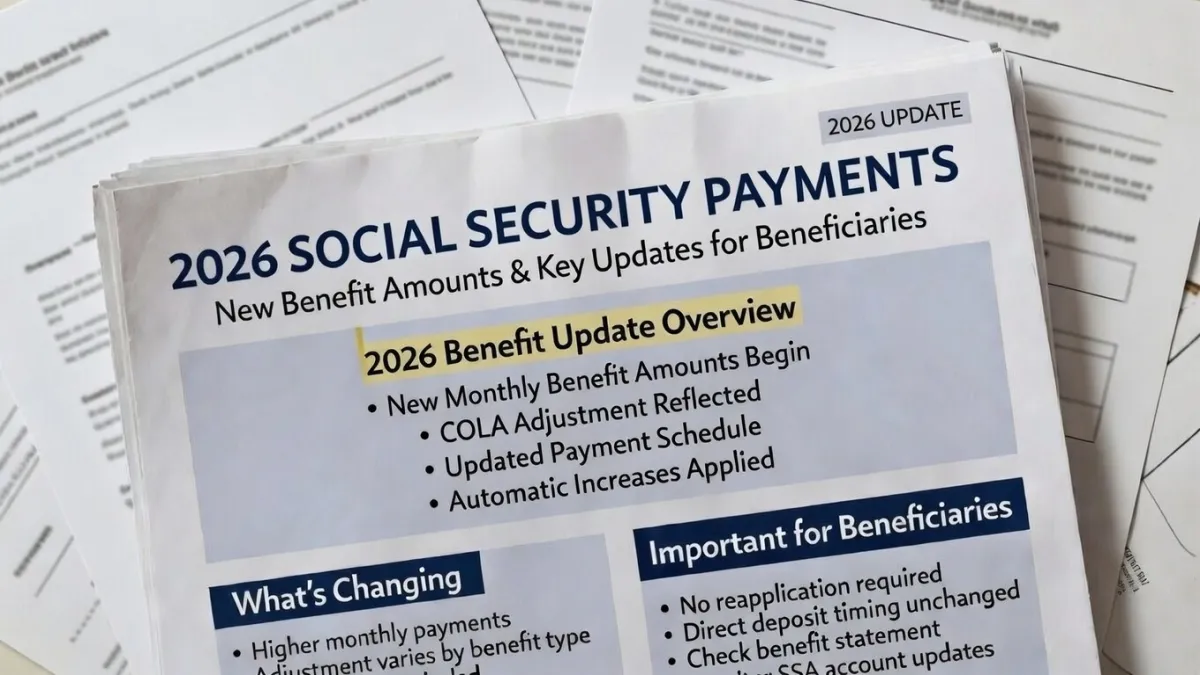
 2026 Social Security payments start with new benefit amounts and key information for beneficiaries
How Refund Processing Works
There is no single refund calendar that applies to everyone. Each tax return is reviewed separately. The time required to receive a refund depends on how the return is filed and whether the information is accurate. Electronic filing is generally faster because it moves through automated systems. Paper returns take longer since they require manual review, which can add several weeks to the process.
Choosing the Fastest Payment Method
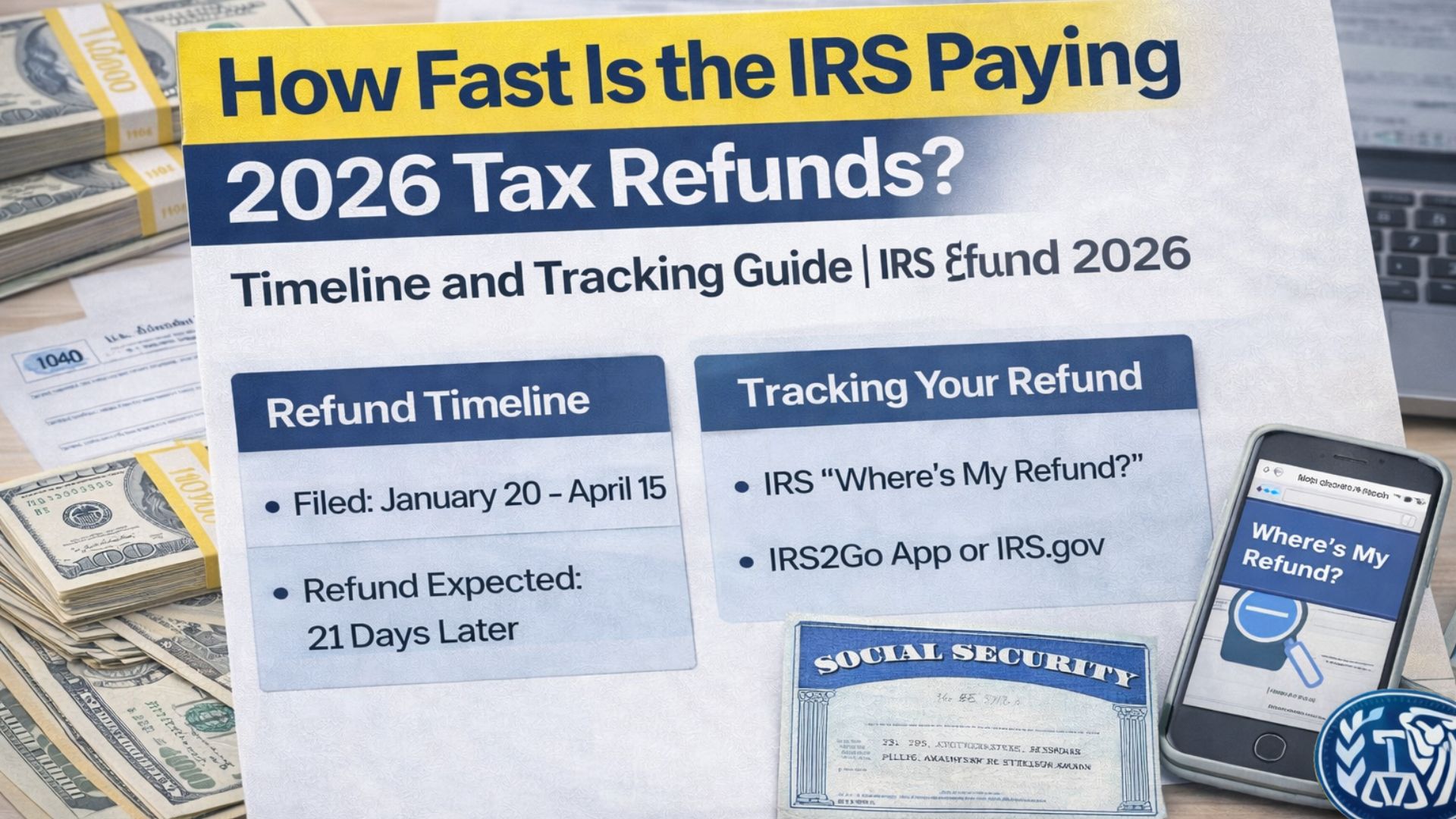
Direct deposit is usually the fastest and safest way to receive a refund. Once a return is approved, the IRS transfers the money directly to the taxpayer’s bank account. Many people receive their funds within about three weeks after the return is accepted. However, banks may take one or two business days to make the funds available.
Common Reasons for Refund Delays
Certain tax credits may require additional review to prevent fraud. Returns claiming income-based or family-related credits might not be fully processed until mid-season. Errors such as incorrect Social Security numbers, missing forms, or inaccurate income details can also delay approval. Reviewing all information carefully before submitting the return helps reduce these risks.

Tracking Your Refund
Taxpayers can monitor the status of their refund using the official IRS online tracking tool. Updates are usually available after the return has been accepted and entered into the system.
Disclaimer: This article is for informational purposes only and does not provide tax, legal, or financial advice. Tax deadlines, refund timelines, and eligibility rules may change. Individual situations vary. For accurate and personalized guidance, consult official IRS resources or a qualified tax professional.