Extra money from the federal government may reach many Americans in 2026, and for most households, that money is most likely to come through larger tax refunds rather than a traditional stimulus check. With new tax laws, refund projections are rising, and discussions about future rebate checks are adding to the confusion. Understanding what is confirmed and what is still uncertain can help taxpayers set realistic expectations.
Why Tax Refunds May Be Bigger in 2026
According to the Internal Revenue Service, taxpayers received nearly $329 billion in refunds during the 2025 filing season, with an average refund of about $3,167. Early projections for 2026 suggest a major increase. The U.S. House Committee on Ways and Means has indicated that total refunds could reach around $370 billion, with many families seeing roughly $1,000 more than last year.
This increase is largely tied to recent tax law changes under the “One Big Beautiful Bill.” Key provisions removed income tax on tips and overtime pay. Because withholding tables were not fully adjusted during the 2025 tax year, many workers paid more tax upfront than they ultimately owed. As a result, refunds in 2026 may feel like a financial boost, even though the money technically belongs to taxpayers already.
यह भी पढ़े:
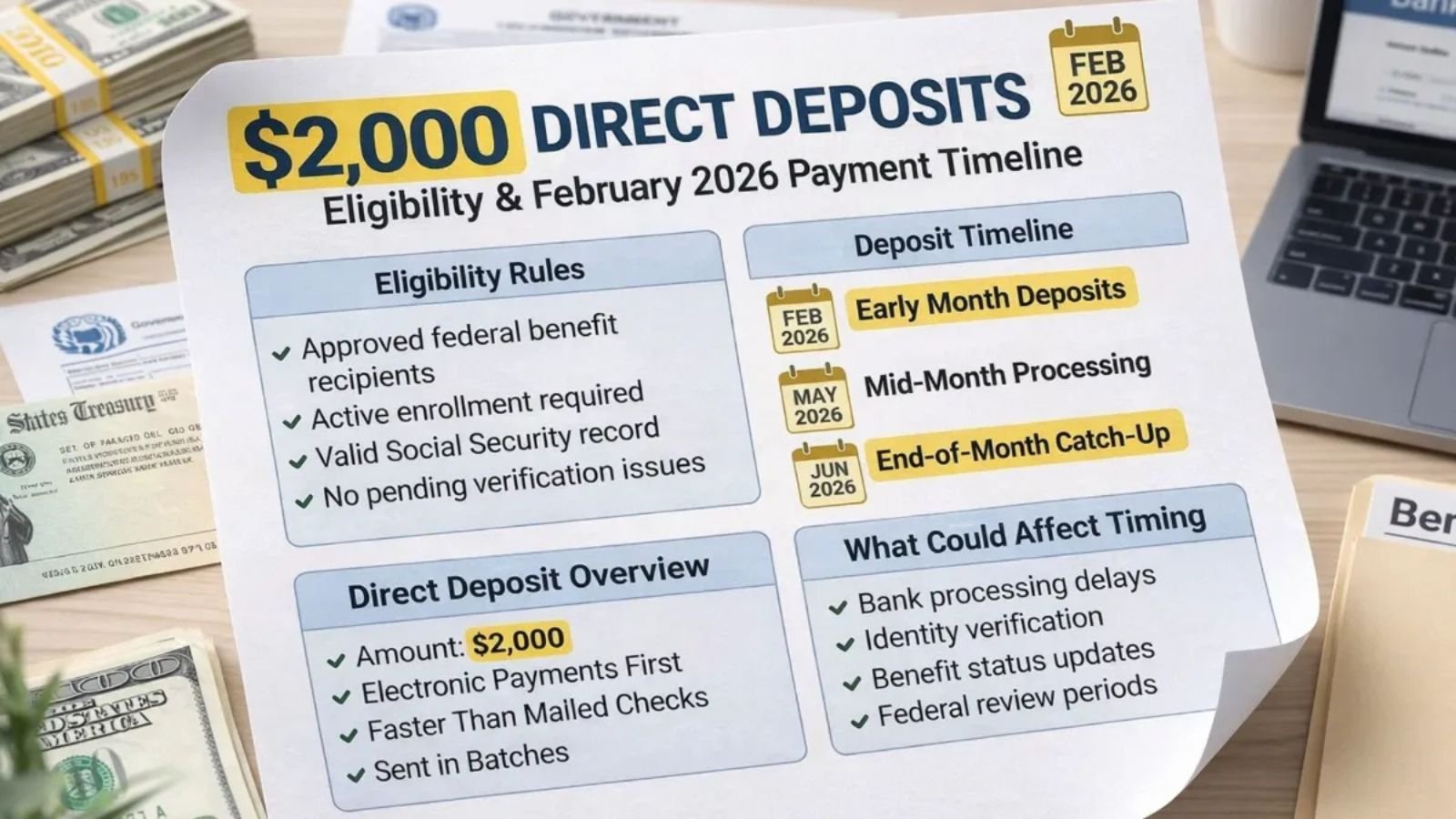
 IRS $2,000 Payment 2026 Explained: Eligibility Facts, Deposit Timeline and What’s Actually Confirmed
Are Bigger Refunds a Form of Stimulus?
Some lawmakers and analysts have described these larger refunds as a type of indirect stimulus. Families may use the extra money to cover everyday needs such as groceries, medical expenses, school supplies, or seasonal activities. While this is not a direct stimulus check, the impact can feel similar for households living paycheck to paycheck.
However, it is important to remember that not everyone receives a refund. Refund size depends on income, withholding, credits, and individual tax situations. This means the benefit will not be evenly shared across all taxpayers.
What About New Stimulus or Rebate Checks?
Beyond tax refunds, there has been public discussion about possible future stimulus-style payments. Donald Trump previously mentioned ideas such as a $5,000 rebate linked to government spending cuts and a possible $2,000 tariff rebate by the end of 2026. At this time, these ideas remain proposals, not approved programs.

Tax professionals have noted that issuing stimulus payments through the tax system could be complicated. Past stimulus rounds created confusion, extra paperwork, and tracking issues for both taxpayers and preparers. There is also uncertainty about whether future payments would be taxable, though experts expect them to be treated like the non-taxable stimulus checks from 2020 and 2021.
What Taxpayers Should Expect
For now, the most realistic source of extra federal money in 2026 is a larger tax refund. Whether additional stimulus checks happen will depend on future legislation and official guidance. Until then, taxpayers should focus on accurate filing and realistic planning.
Disclaimer:
This article is for informational purposes only and does not provide tax, legal, or financial advice. Tax laws, refund amounts, and potential stimulus programs may change. Always verify information through official government sources or consult a qualified tax professional for advice specific to your situation.