Every year, tax refunds give millions of Americans a helpful financial boost. For many families, this money is used to catch up on bills, pay down debt, build savings, or handle important expenses. As the 2026 tax season continues, understanding how the refund process works can make it easier to plan ahead and avoid unnecessary stress.
When the IRS Started Accepting 2026 Returns
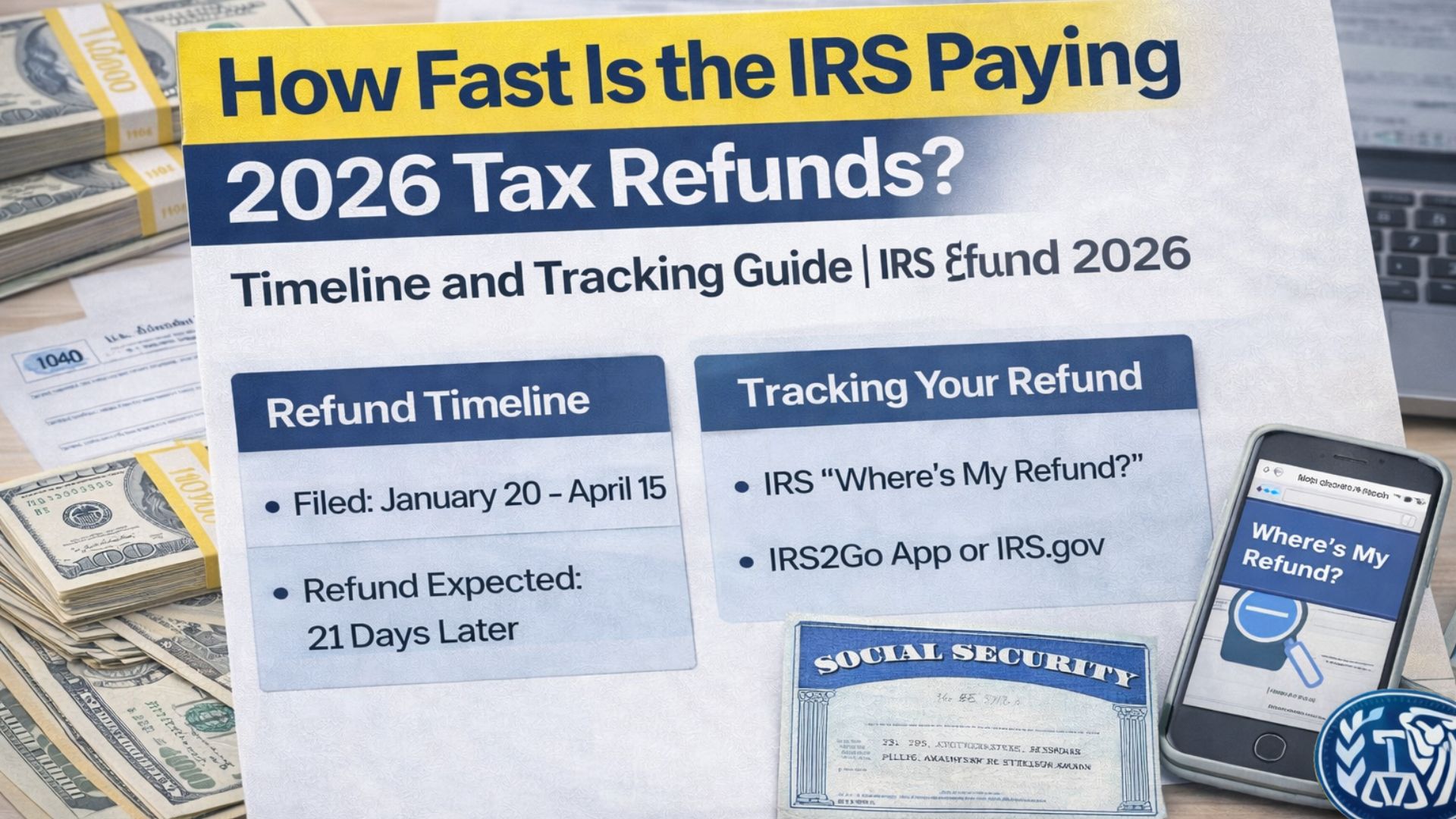
The Internal Revenue Service began accepting 2025 tax year returns in late January 2026. Once a return is officially accepted, the processing period begins. For most taxpayers who file electronically and choose direct deposit, refunds are typically issued within about 21 days. This timeline reflects average processing times for accurate and simple returns.
Electronic filing allows tax information to move quickly through IRS systems. Choosing direct deposit also speeds up delivery because the refund is sent straight to a bank account, avoiding postal delays.
यह भी पढ़े:
 2026 Social Security payments start with new benefit amounts and key information for beneficiaries
What Affects Refund Timing
Several factors influence how soon a refund arrives. The date you file plays an important role. Taxpayers who file early often receive their refunds earlier than those who wait until peak season. The method of filing also matters. Paper returns require manual handling, which can add several weeks to the timeline compared to electronic submissions.
The payment method you select makes a difference as well. Direct deposit is usually faster and more secure than receiving a paper check in the mail.
Why Some Refunds Take Longer
Certain tax credits require additional review. Returns that claim the Earned Income Tax Credit or the Additional Child Tax Credit must be held until at least mid-February under federal law. This delay helps verify income details and reduce fraud. As a result, eligible taxpayers may see their refunds in late February rather than earlier in the month.

Other delays can occur due to simple mistakes. Incorrect Social Security numbers, mismatched income information, missing forms, or identity verification checks can slow processing. Even small errors may lead to extra review time.
How to Track Your Refund
Taxpayers can check their refund status using official IRS tracking tools. Refund information is generally available about 24 hours after electronic filing or several weeks after mailing a paper return. The system typically shows three stages: received, approved, and sent.
Planning for a Smooth Refund Experience
Filing early, reviewing your return carefully, and selecting direct deposit remain the most effective ways to receive your refund quickly. While most refunds are processed within three weeks, allowing additional time for possible reviews is always a wise approach.

Disclaimer:
This article is for informational purposes only and does not provide tax, legal, or financial advice. Refund amounts and timelines depend on individual tax situations and official IRS processing guidelines. Always consult official IRS resources or a qualified tax professional for personalized guidance.