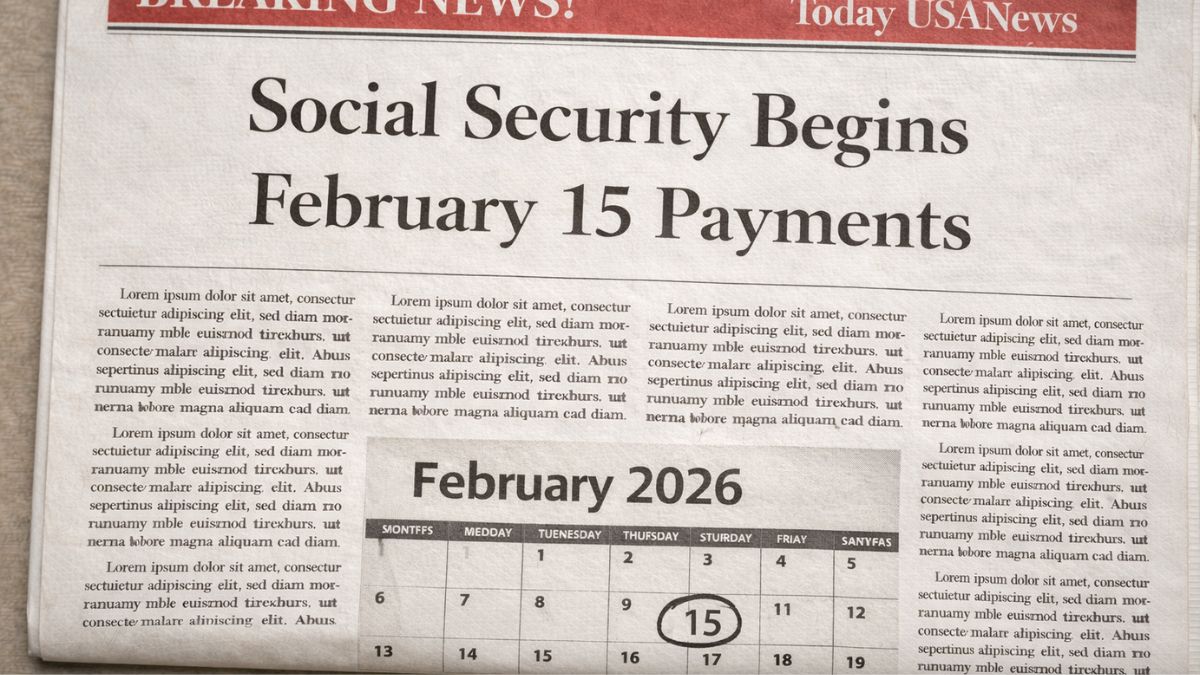
The Social Security payment schedule for February 2026 includes a deposit date of February 15 for certain beneficiaries . This payment is not a bonus or special increase. It is part of the regular monthly system used to distribute benefits in an organized way. Understanding how this schedule works can help retirees and other recipients plan their monthly expenses with more confidence.
Why Payments Are Sent on Different Days
The Social Security Administration does not issue all benefits on the same day. Millions of Americans receive retirement, disability, survivor, and Supplemental Security Income payments every month. To manage this large number of deposits, the agency uses a staggered schedule. Payments are spread across several dates to prevent system overload and reduce banking delays. This structured approach has been used for many years and helps ensure payments arrive reliably.
Who May Receive Payment on February 15
One group that may receive benefits around February 15 includes people who started collecting Social Security before May 1997 . These beneficiaries follow an earlier schedule that is separate from the birth-date system used today. Some Supplemental Security Income recipients may also receive deposits near this date, depending on how the monthly calendar falls. However, not all beneficiaries will receive payment on February 15.
यह भी पढ़े:
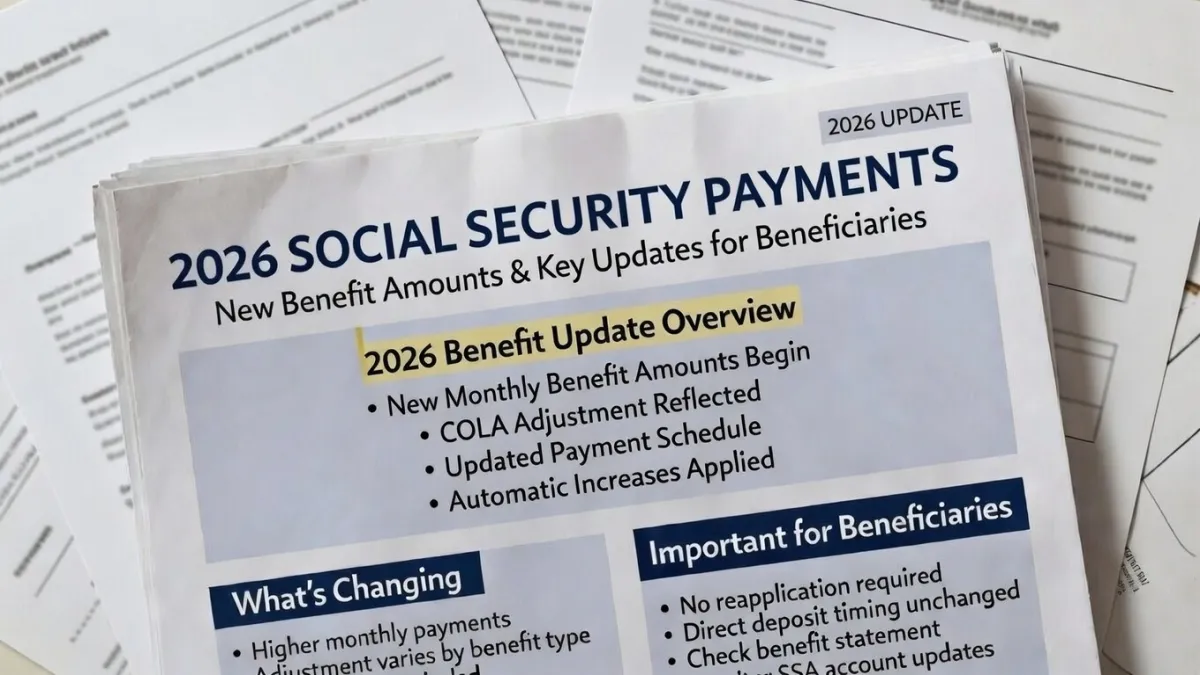
 2026 Social Security payments start with new benefit amounts and key information for beneficiaries
How the Birth-Date System Works
Individuals who began receiving benefits after May 1997 are generally paid based on their birth date. Payments are sent on different Wednesdays of the month. People born earlier in the month usually receive their deposit earlier, while those born later receive it in the following weeks. Because of this system, payment dates vary from person to person.
How Benefit Amounts Are Determined
The amount each person receives depends on lifetime earnings, years worked, and the age at which benefits were claimed . Those who claim early may receive lower monthly payments, while those who delay may receive higher amounts. February 2026 payments also include the annual cost-of-living adjustment, which is automatically added to help benefits keep pace with inflation.
What to Do If a Payment Is Late
Most beneficiaries receive their money through direct deposit, which is the fastest and safest option . A small number still receive paper checks, which may take slightly longer to arrive. If a payment does not appear on the expected date, beneficiaries should wait one business day before contacting the Social Security Administration.

Conclusion
The February 15 payment date is simply part of the regular Social Security system . It reflects long-standing rules designed to ensure steady and organized delivery of benefits.
Disclaimer: This article is for informational purposes only and does not provide legal, financial, or benefits advice. Payment schedules, eligibility, and benefit amounts may change based on federal regulations and individual circumstances. For the most accurate information, contact the Social Security Administration directly.