Many taxpayers who filed their 2025 federal tax return are closely watching for their refund in February 2026. This part of the tax season is especially busy because early filers begin receiving approvals and payments. Since refunds are not sent on one single national date, understanding how the process works can help reduce stress and set realistic expectations.
When Refund Processing Actually Begins
Refund processing starts only after the Internal Revenue Service officially accepts your return. Acceptance simply means your return passed the first technical checks and entered the processing system. It does not mean your refund has already been approved.
After acceptance, the IRS compares the income and tax withholding you reported with records provided by employers and financial institutions. The system also checks for errors and runs identity protection filters. If everything matches and no issues appear, the return continues through automatic processing.
यह भी पढ़े:
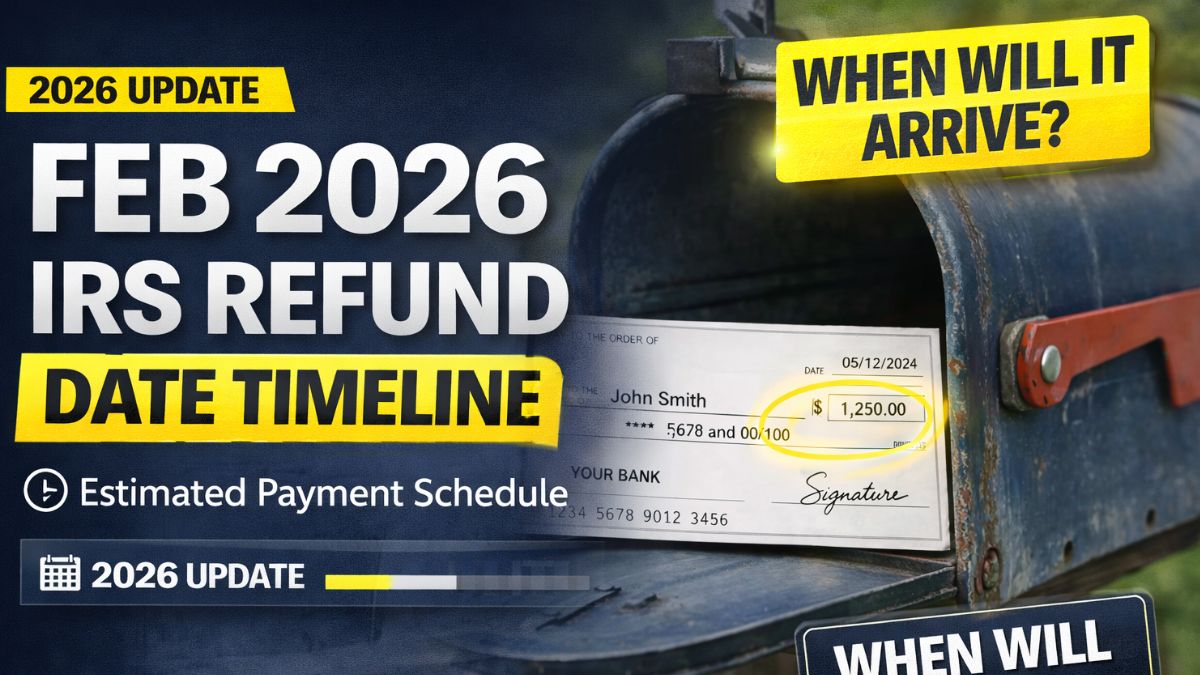
 IRS Tax Refund 2026 Schedule: Expected Dates, Refund Amounts, and Processing Time Explained
How Long Refunds Usually Take
There is no fixed refund day in February. Instead, refunds are released in batches as returns finish processing. For most taxpayers who file electronically and choose direct deposit, refunds are commonly issued within about twenty-one days after acceptance. This is the standard benchmark for a normal case.
Electronic filing is faster because the data is already digital. Paper returns require manual handling, which adds extra time. Direct deposit is also quicker than a mailed check because it sends funds straight to a bank account without postal delays.
Common Reasons for Delays
Several factors can push a refund beyond the normal three-week window. Identity verification requests are common. If the IRS needs confirmation, it sends a letter and pauses processing until you respond. Errors such as incorrect Social Security numbers, name mismatches, missing forms, or math mistakes can also trigger manual review.

Returns claiming certain refundable credits may receive additional review required by law. High filing volume during peak season can create temporary backlogs as well. In some cases, outstanding government debts may reduce or offset part of a refund.
How to Track Your Refund Safely
The IRS provides an official online tracking tool that shows refund status in three stages: received, approved, and sent. Updates are usually made once per day. When a deposit date appears, it is generally a reliable estimate for direct deposit timing.
If more than three weeks have passed since your electronic return was accepted and no progress is shown, review the tracking tool carefully for any messages. Respond quickly to any official notice to avoid further delay.
यह भी पढ़े:
 $2,000 Direct Deposit February 2026 Explained: Eligibility Criteria, Payment Timing, and Updates
Understanding the February 2026 refund system helps taxpayers stay informed and avoid unnecessary worry. Filing accurately and choosing electronic submission with direct deposit remains the best way to receive funds quickly.
Disclaimer:
This article is for general informational purposes only and does not provide tax or legal advice. Refund timelines and amounts depend on individual return details and official IRS procedures. Always verify information through official government resources or consult a qualified tax professional for personalized guidance.