The 2026 tax filing season is now in progress, and many Americans are waiting for their income tax refunds. The Internal Revenue Service has confirmed that refunds will begin reaching taxpayers in February. This update brings relief to households that rely on refund money to manage bills, reduce debt, or add to savings after a financially challenging year. Understanding how the refund process works can help taxpayers prepare and avoid unnecessary worry.
When February Refunds Will Arrive
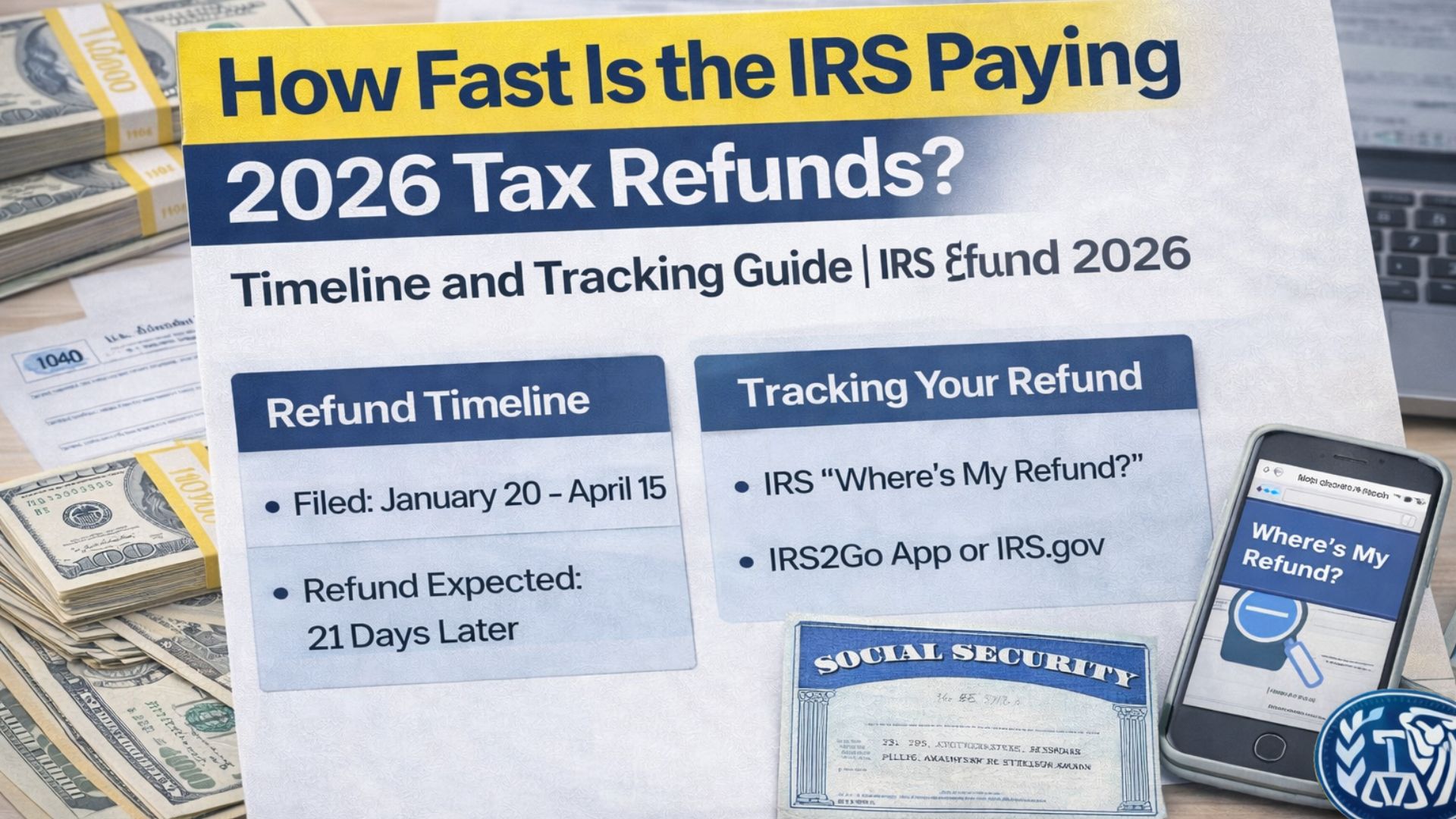
The IRS has already started processing tax returns. Taxpayers who filed early in the season and selected direct deposit are expected to receive their refunds first. In most cases, people who file electronically and choose direct deposit can receive their refund within about 10 to 21 days after their return is accepted. Acceptance is the key starting point, not the day the return was submitted.
Those who file paper returns should expect longer wait times. Paper forms must be opened, reviewed, and entered manually before a refund check can be mailed. This process can add several weeks to the timeline compared to electronic filing.
यह भी पढ़े:
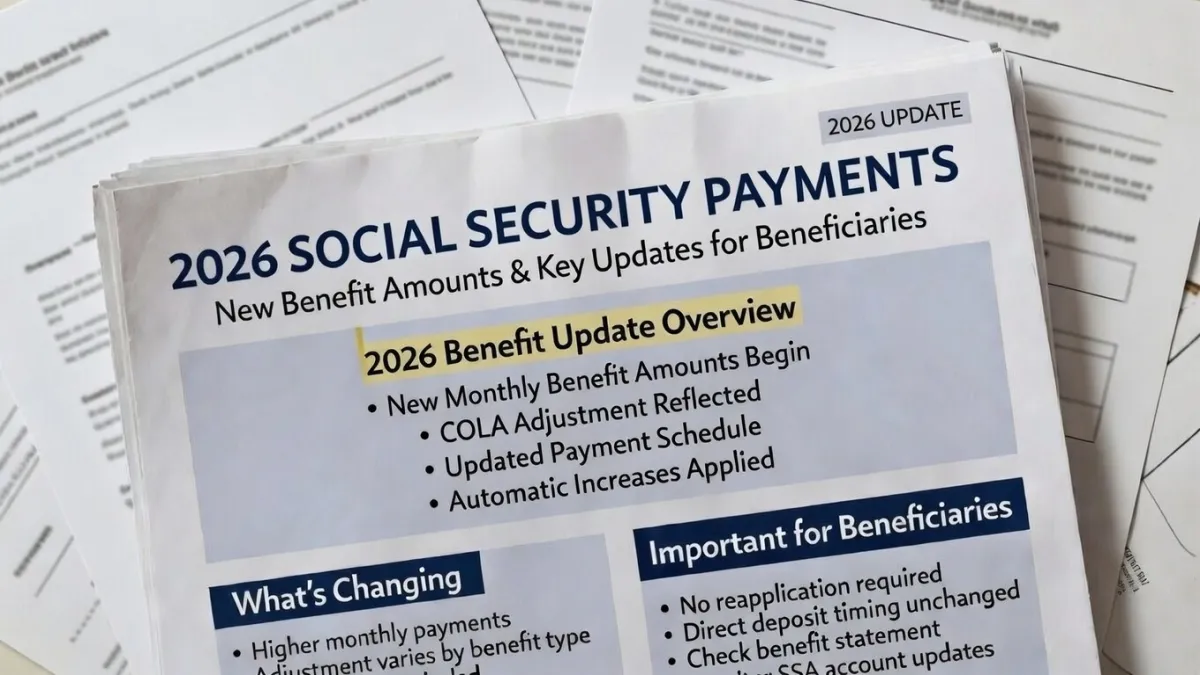
 2026 Social Security payments start with new benefit amounts and key information for beneficiaries
Why Filing Method Makes a Difference
The way a return is filed plays a major role in refund speed. Electronic filing allows the IRS to process returns using automated systems, which reduces errors and speeds up review. Choosing direct deposit is also faster because funds are transferred electronically to a bank account instead of being sent through the mail.
Taxpayers who file early and carefully review their information are generally placed earlier in the processing line. Accurate returns reduce the chance of delays and increase the likelihood of receiving a refund in February.
Common Reasons for Delays
While many refunds are processed smoothly, certain issues can slow things down. Incorrect Social Security numbers, missing income documents, or calculation errors may require additional review. The IRS also conducts identity verification checks to prevent fraud. Returns claiming certain refundable credits may go through extra review steps, which can extend processing time.

How to Check Your Refund Status
Taxpayers can track their refund using the official IRS online tracking tool. Updates usually appear within 24 hours after an electronic return has been accepted. To check status, individuals need their Social Security number, filing status, and the exact refund amount listed on their return.
Planning Around February Refunds
For many families, February refunds play an important role in budgeting. Refund money is often used for rent, mortgage payments, utilities, medical bills, or paying down credit card balances. Some households also use refunds to strengthen emergency savings.
With refunds confirmed to begin in February 2026, electronic filers who choose direct deposit can generally expect payment within a few weeks of acceptance.

Disclaimer:
This article is for informational purposes only and does not provide tax, legal, or financial advice. Refund amounts and processing times depend on individual tax situations and official IRS rules. For personalized guidance, consult official IRS resources or a qualified tax professional.