February 2026 is a key month for millions of Americans who depend on Social Security retirement or disability benefits. For many families, these monthly payments cover essential expenses such as rent, groceries, medical care, and utility bills. As deposit dates get closer, beneficiaries often want clear and accurate information about when their money will arrive. Knowing how the payment schedule works can help reduce uncertainty and support better financial planning.
How the Social Security Payment Schedule Works
The Social Security Administration follows a fixed monthly payment system. Deposits are not random and do not change without official notice. For most people who started receiving benefits after May 1997, the payment date depends on their birth date.
Individuals born between the first and tenth of the month are usually paid on the second Wednesday. Those born between the eleventh and twentieth receive payment on the third Wednesday. Beneficiaries born between the twenty-first and thirty-first are paid on the fourth Wednesday. This system remains consistent each month, including February 2026.
यह भी पढ़े:
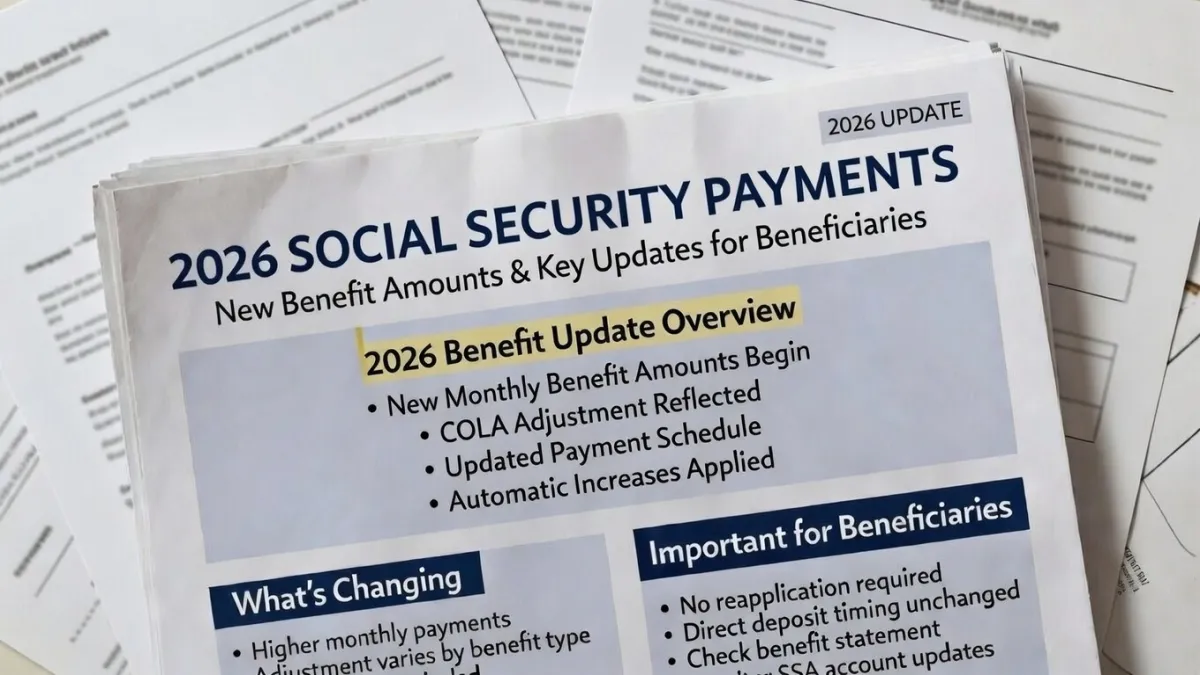
 2026 Social Security payments start with new benefit amounts and key information for beneficiaries
People who began receiving benefits before May 1997 are generally paid near the beginning of the month. If a payment date falls on a weekend or federal holiday, the deposit is normally issued on the previous business day to prevent delays.
Differences Between Retirement, SSDI, and SSI Payments
Social Security Disability Insurance payments follow the same birth-date schedule for most recipients. However, Supplemental Security Income has a separate system. SSI is typically paid on the first day of each month. If the first falls on a weekend or holiday, the payment is sent earlier, on the prior business day. These differences are part of the normal process and do not signal any issue.
Cost-of-Living Adjustment and Deductions
February 2026 payments include the annual Cost-of-Living Adjustment that started in January. This increase helps benefits keep pace with rising living costs. The exact increase varies for each person because it is based on their individual benefit amount.

Some recipients may notice that their final deposit is slightly lower than expected. This can happen if Medicare Part B premiums or other deductions are taken from the monthly benefit. Reviewing the annual benefit statement can help explain the final deposited amount.
Avoiding Misinformation and Staying Informed
There is no confirmed nationwide stimulus payment connected to February 2026 Social Security deposits. Any new federal payment would require formal approval and official announcements. Beneficiaries should rely only on verified information from official sources.
Checking a secure online Social Security account is the safest way to confirm payment details and deposit dates. Direct deposit remains the fastest and most reliable method for receiving benefits.

Disclaimer:
This article is for informational purposes only and does not provide financial, legal, or retirement advice. Payment amounts and schedules depend on individual eligibility and official Social Security Administration rules. Always consult official SSA resources or a qualified professional for accurate and personalized information.